As I found in the UK, easy welfare is handed out to working-aged men from foreign nations, while less-recent locals (including my Bangladeshi taxi driver who had lived in London for 25 years) can’t understand why. While the locally disadvantaged and veterans go homeless, it appears those with an vision of “global equality” are happy to sacrifice the prosperity and safety of British taxpayers while experiencing no cost to themselves.
As we relentlessly build ourselves into energy scarcity, strategic insecurity, and ever increasing power costs, China and the developing world build and burn whatever they like, supplying most of the "green energy" infrastructure to the very countries dismantling their own manufacturing and economies in the name of responsible citizenship.
Meanwhile, whenever those of us, not on the left, dare question any of this, howls of protest that we are engaging in culture wars emanate from the very people deconstructing and reshaping our nation’s culture and civilisational foundations at every opportunity.
Perhaps, the astute observers are right that the time of culture wars has passed and instead we are entering into wars of a civilisational nature. The dramatic shift in polling here and abroad tells me that this moment is likely upon us already.
To paraphrase Os Guinness: we are in a civilisational moment that demands an understanding of the past and awareness of the present as we focus on shaping the future. It requires grounding action in first principles, rather than allowing the excuse of grand global problems to drive the pursuit of a global reset by increasingly centralised global institutions and the grandiose ideals of global governance.
In many senses, politics is downstream of culture and for decades the culture of the West has been denigrated to the point that, of all cultures anywhere, it is considered risky to publicly defend it. I don’t know about you, but I think it’s worth defending despite this.

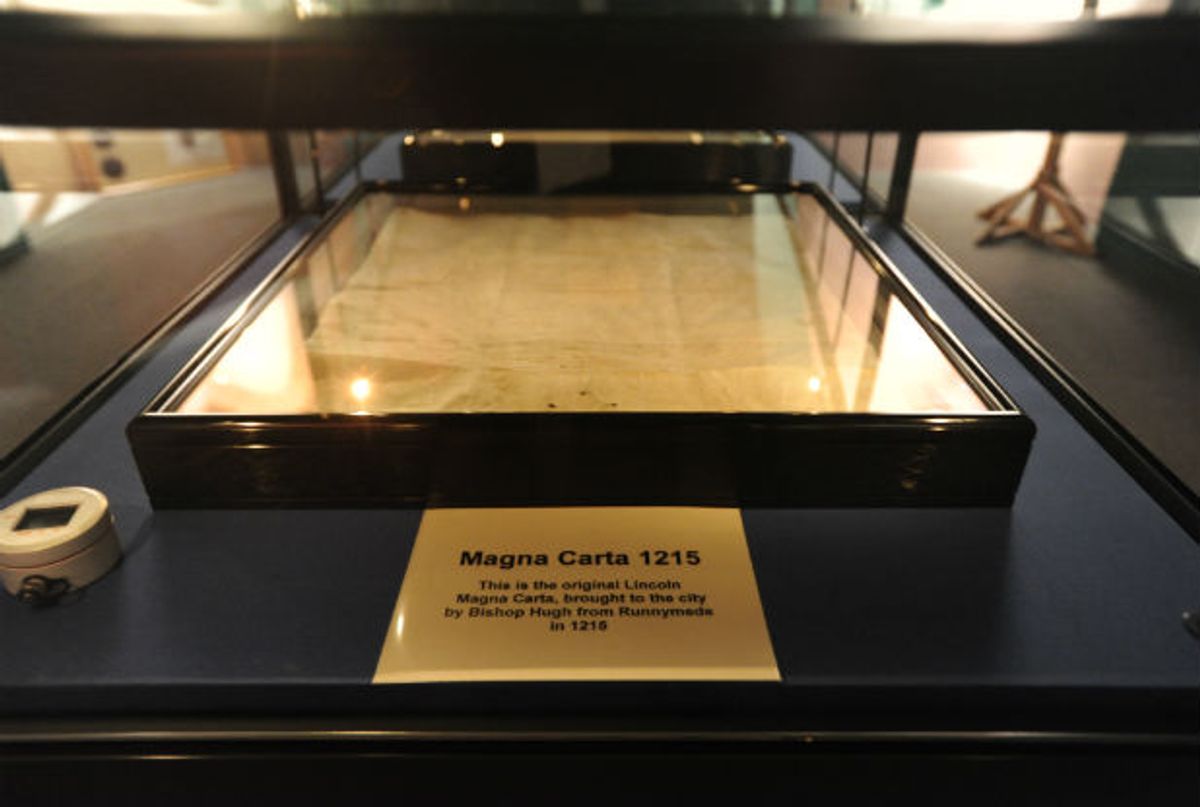
While in England I also had the privilege of seeing one of the original 1215 copies of the Magna Carta preserved in the David P J Ross Magna Carta Vault at Lincoln Castle. Like the 1297 copy held in the Australian Parliament, they are a reminder that the foundational values of our nations didn't happen by accident but came from a struggle against tyranny that ultimately led to the conditions where a free people could flourish in a safe and well-ordered society.
Some may wonder why I speak about principles so often, and why I honour things such as Magna Carta, our underlying political traditions, and the founding values of our State and Nation when there are so many "today" problems desperately requiring the time of today’s parliamentarians.
It is because I firmly believe that the role of those elected to parliament is to preserve the principles of freedom and of prosperity for a truly free people, not to presume that government itself is the solution to every problem. It is with this belief that I bring these values to this role without apology.
As always, if there's an issue that matters to you, please get in touch.
Sincerely,
Phil